To look back at Australian fashion in the 2010s is to remember clothes designed for both a room and a photograph. Strong colour, readable shape and a memorable product name travelled easily from a boutique rack to a blog, then to a social feed.
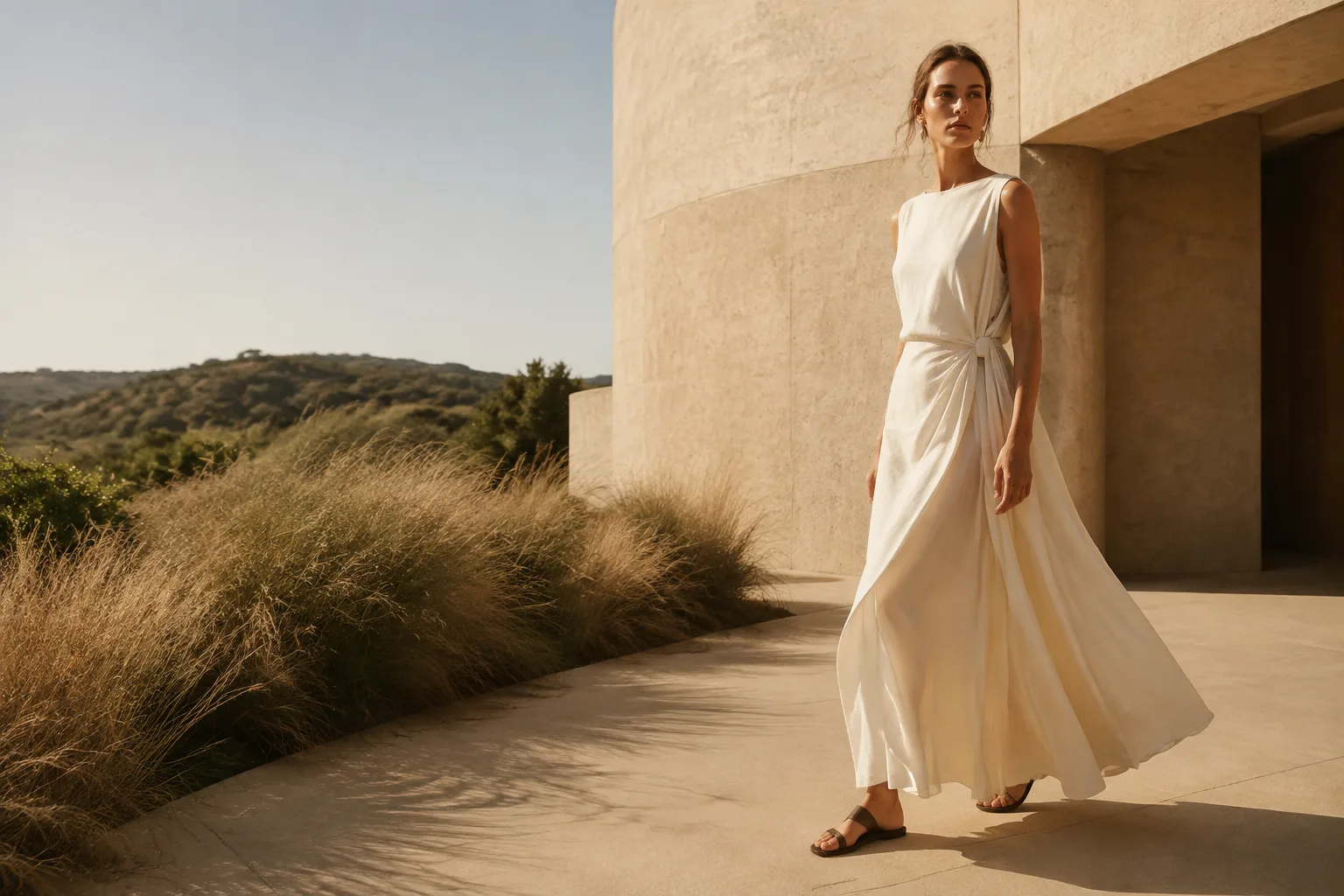
A distinctly digital fashion moment
The decade changed how independent and mid-sized labels met their audience. Retailers could present a complete seasonal mood online, while customers arrived through campaign images, celebrity styling, street-style coverage and word of mouth. A garment needed to explain itself quickly without becoming generic.
Finders Keepers became recognisable within that environment. Its mix of graphic prints, clean tailoring, close-fitting bodices and fluid skirts created silhouettes that read clearly on a screen. The point was not minimalism; it was clarity with personality.
Why the silhouettes remain searchable
Archived catalogue paths reveal recurring words—mini, midi, dress, bodice, playsuit, jumpsuit, skirt, pant and knit. Product names then supplied the character. That consistent grammar helps today’s owners identify a piece even when the original retailer page has vanished.
The clothes also belonged to real occasions: dinners, graduations, weddings, races and nights out. Garments connected to a specific memory tend to be kept, photographed and eventually resold with more context than anonymous basics.
What the 2018 storefront preserved
The March 2018 homepage capture used a full-screen image-led presentation and a restrained menu. Collection links named Golden Hour, Escapade, Mélo and Horizon; product categories included dresses, tops, bottoms, jumpsuits and rompers, knits, jackets and coats. The layout trusted the campaign photography to set the tone.
This site borrows that spacious editorial rhythm while replacing every photograph and sentence. It documents the old information architecture because routes and names are historical evidence; it does not reproduce the former store or suggest that it has reopened.
The wardrobe afterlife
A closed catalogue does not mean the clothes disappear. They move through rental wardrobes, consignment stores, resale platforms and friends. That circulation creates a different kind of archive—distributed, imperfect and sustained by people who remember a style name or kept a tag.
The useful future for a domain like this is therefore not a ghost shop. It is a reference: a place that helps someone recognise a garment, assess its condition, care for it and understand the visual period it came from.