Delicate clothing lasts when each action is proportionate. Airing may be enough after a short wear; a small hand repair may prevent a torn seam; the wrong iron temperature can cause permanent damage in seconds.
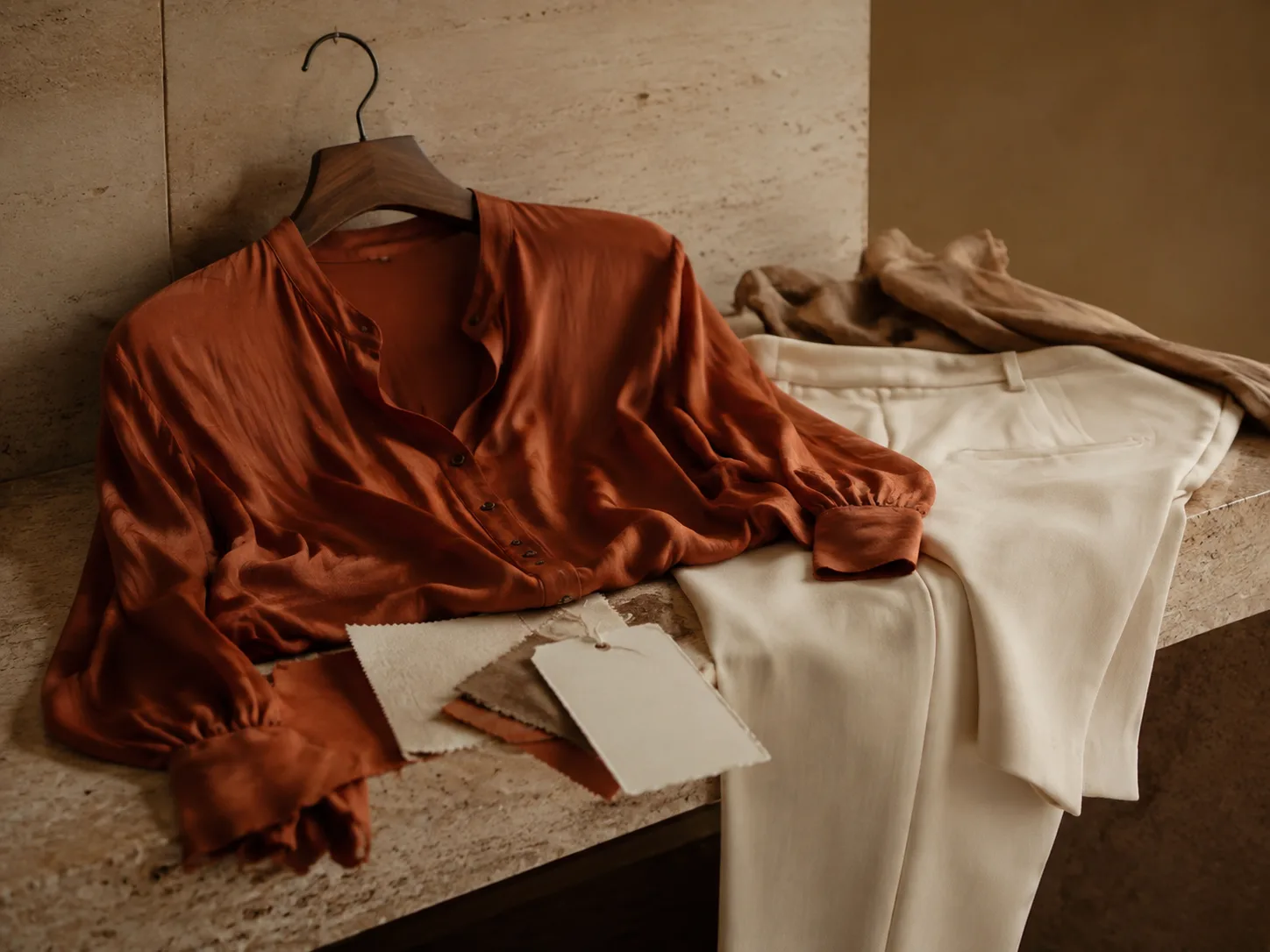
Read before you treat
Photograph the care label while it remains clear. Note fibre content, lining and trim as well as the main fabric. A garment with a washable outer and dry-clean-only structure should be treated according to its most sensitive component.
Begin with air and a soft brush
Air garments away from direct sun. Use a clean clothing brush for loose dust. Do not rub a mystery mark: blotting and friction can spread pigment or abrade the surface. For valuable or complex garments, show the label and stain history to a reputable cleaner.
Control heat and moisture
Test a hidden area, work from the reverse and place a clean pressing cloth between iron and fabric. A steamer should not touch the garment. Avoid steam on materials that watermark, delaminate or change texture, and let the piece cool before moving it.
Stabilise small damage early
Loose hems, hooks and seam openings usually become worse through wear. Match thread weight as well as colour and retain any original buttons. For mesh, lace, bias-cut fabric or damaged seam allowances, consult an alterations specialist.
Support the shape
Fold knits. Hang tailored garments on broad, clean hangers. Fasten zips and leave breathing room. Use washed cotton covers rather than sealed plastic for long storage, and keep clothes cool, dry and dark.
A simple after-wear routine
- Empty pockets and inspect seams, fasteners and marks.
- Air in shade before returning the garment to storage.
- Spot-clean only when the fibre and finish allow it.
- Record repairs needed before the next event.
- Store with enough support and space.